Featured
Certification to Look For from Competing Debt Relief Orga...
Examine This Report about Developing Your Route to Freedom
Starting Consultation and What to Ask Can Be Fun For Ever...
Their Team Method with Clients Things To Know Before You ...
Certification to Look For from Competing Debt Relief Organizations Can Be Fun For Everyone
Table of Contents
The firm will certainly draw a credit scores record to recognize what you owe and the extent of your challenge. If the mercy program is the best remedy, the therapist will send you an arrangement that details the plan, consisting of the quantity of the regular monthly settlement.
When every person agrees, you begin making month-to-month settlements on a 36-month plan. When it mores than, the agreed-to amount is removed. There's no penalty for paying off the balance early, but no expansions are enabled. If you miss out on a settlement, the contract is squashed, and you should exit the program. If you assume it's a great alternative for you, call a therapist at a not-for-profit credit report counseling company like InCharge Financial debt Solutions, who can answer your questions and assist you figure out if you qualify.
Due to the fact that the program permits borrowers to opt for much less than what they owe, the lenders who get involved want peace of mind that those that take advantage of it would certainly not have the ability to pay the sum total. Your bank card accounts also should be from banks and credit score card firms that have actually accepted get involved.
Balance should be at least $1,000.Agreed-the equilibrium must be settled in 36 months. There are no extensions. If you miss out on a settlement that's simply one missed out on repayment the agreement is terminated. Your creditor(s) will terminate the plan and your equilibrium goes back to the original amount, minus what you've paid while in the program.
Some Ideas on What Regulations Says While Receiving Bankruptcy Counseling You Need To Know
With the mercy program, the lender can rather choose to keep your financial obligation on guides and redeem 50%-60% of what they are owed. Nonprofit Credit Card Financial obligation Mercy and for-profit financial obligation negotiation are similar in that they both provide a way to settle charge card financial obligation by paying less than what is owed.
Charge card forgiveness is developed to cost the consumer much less, pay off the financial obligation quicker, and have less downsides than its for-profit counterpart. Some key areas of distinction between Credit rating Card Financial debt Forgiveness and for-profit financial obligation negotiation are: Bank card Debt Forgiveness programs have connections with creditors that have accepted take part.
Once they do, the reward duration begins instantly. For-profit financial debt settlement programs negotiate with each lender, generally over a 2-3-year period, while rate of interest, fees and calls from debt enthusiasts continue. This indicates a larger hit on your credit score report and credit rating rating, and a boosting balance up until negotiation is finished.
Charge Card Debt Forgiveness clients make 36 equivalent regular monthly settlements to eliminate their debt. The payments most likely to the creditors up until the agreed-to equilibrium is eliminated. No rate of interest is billed throughout that period. For-profit financial obligation negotiation customers pay into an escrow account over an arrangement duration toward a lump sum that will be paid to creditors.
The Recession That Affect How More People Need for How Credit Counseling Helps You Prepare for Possible Income Drops or Layoffs Ideas
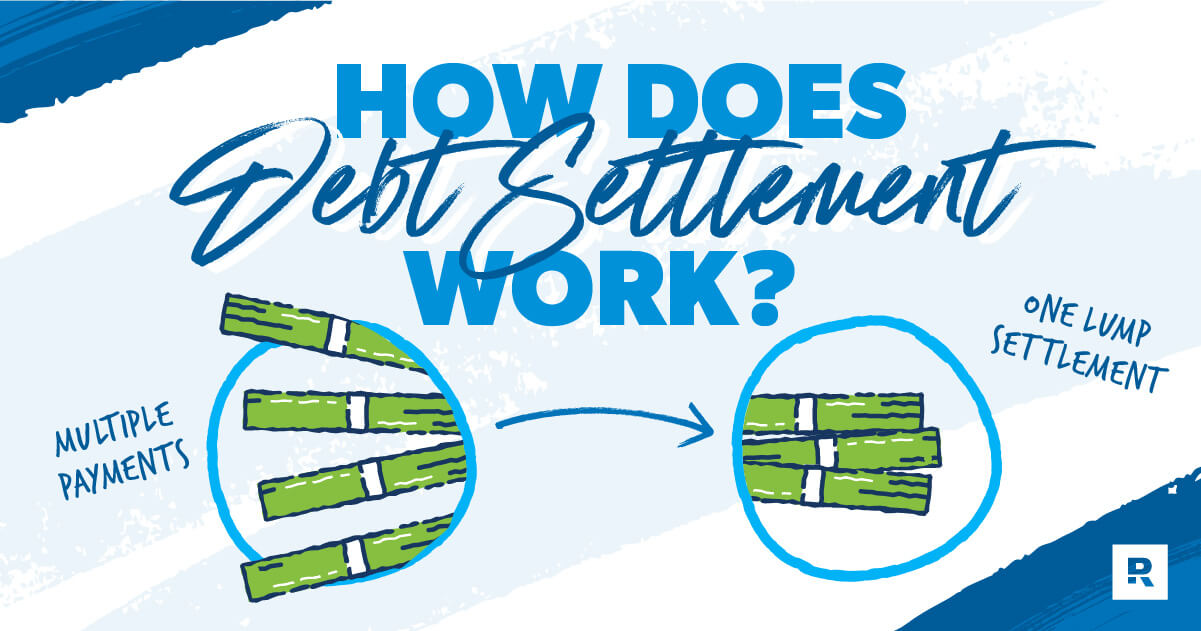
During this time, fees might raise, and rate of interest accumulates, so repayments may end up not being economical for clients. Clients quit making settlements to their credit history card accounts. Telephone calls from financial obligation collectors proceed and creditor-reported non-payments remain to harm the client's credit scores record. Enrollment in a Credit Scores Card Debt Mercy quits telephone calls and letters from debt collection and healing companies for the accounts consisted of in the program.
For-profit financial debt negotiation programs don't quit collection actions until the lump-sum settlement is made to the financial institution. Nonprofit Debt Card Financial obligation Mercy programs will certainly tell you up front what the month-to-month cost is, topped at $75, or much less, relying on what state you stay in. For-profit financial obligation negotiation firms may not be clear regarding charge quantities, which commonly are a percentage of the balance.
Digital Tools Improving How Credit Counseling Helps You Prepare for Possible Income Drops or Layoffs Fundamentals Explained
For-profit financial obligation settlement likely will hurt it more, considering that you won't be paying lenders during the 2-3 year negotiation/escrow duration, but they haven't accepted a plan or received any kind of cash, so they're still reporting nonpayment. This gets on top of the credit report struck from not paying the sum total.
Most of the times, debt combination also comes with a lower rate of interest rate than what you were paying on your charge card, making the regular monthly prices, as well as overall costs, less. Bank card financial debt combination's most usual types are financial obligation management plans, financial obligation loan consolidation financings, or a zero-interest transfer charge card.
To get a financial debt combination loan or a zero-interest equilibrium transfer credit report card, you need a credit history rating of at least 680. Debt score isn't a factor for financial obligation management program, yet you need an adequate income to be able to make a regular monthly repayment that will certainly cover all of the accounts consisted of in the program.
Insolvency is the last resource for someone who has more debt than they can pay. Nonprofit Charge Card Debt Forgiveness will not remove virtually as much financial obligation as bankruptcy does, however it also has much less of the long-lasting adverse monetary impact bankruptcy carries. It can be the action you absorb order to prevent bankruptcy.
Community-Based How Credit Counseling Helps You Prepare for Possible Income Drops or Layoffs Organizations Reviewed - Questions
Personal bankruptcy will remove all eligible unprotected debt. Credit History Card Financial debt Forgiveness will certainly have an unfavorable impact on your credit rating because complete equilibriums on accounts were not paid. Once you have actually completed the program, the accounts will certainly show a zero balance, not that you still owe money. Personal bankruptcy will certainly have a a lot more extreme unfavorable effect on your credit scores report, making it difficult to obtain a home loan, vehicle loan, or other needed credit score in the years that follow.
Credit Scores Card Financial obligation Mercy repayments begin as soon as you're accepted into the program. Collection activities and claims on Credit score Card Financial obligation Mercy clients are quit once financial institutions agree to the strategy.

Table of Contents
Latest Posts
Certification to Look For from Competing Debt Relief Organizations Can Be Fun For Everyone

Examine This Report about Developing Your Route to Freedom

Starting Consultation and What to Ask Can Be Fun For Everyone
More
Latest Posts
Certification to Look For from Competing Debt Relief Organizations Can Be Fun For Everyone
Examine This Report about Developing Your Route to Freedom
Starting Consultation and What to Ask Can Be Fun For Everyone